
We're used to reading about corporate mergers and acquisitions on specialized economics and business websites. However, in TV series available on a variety of streaming services, we can observe numerous cases of M&A and other market movements embedded in the main plot, demonstrating their impact on fictional companies.
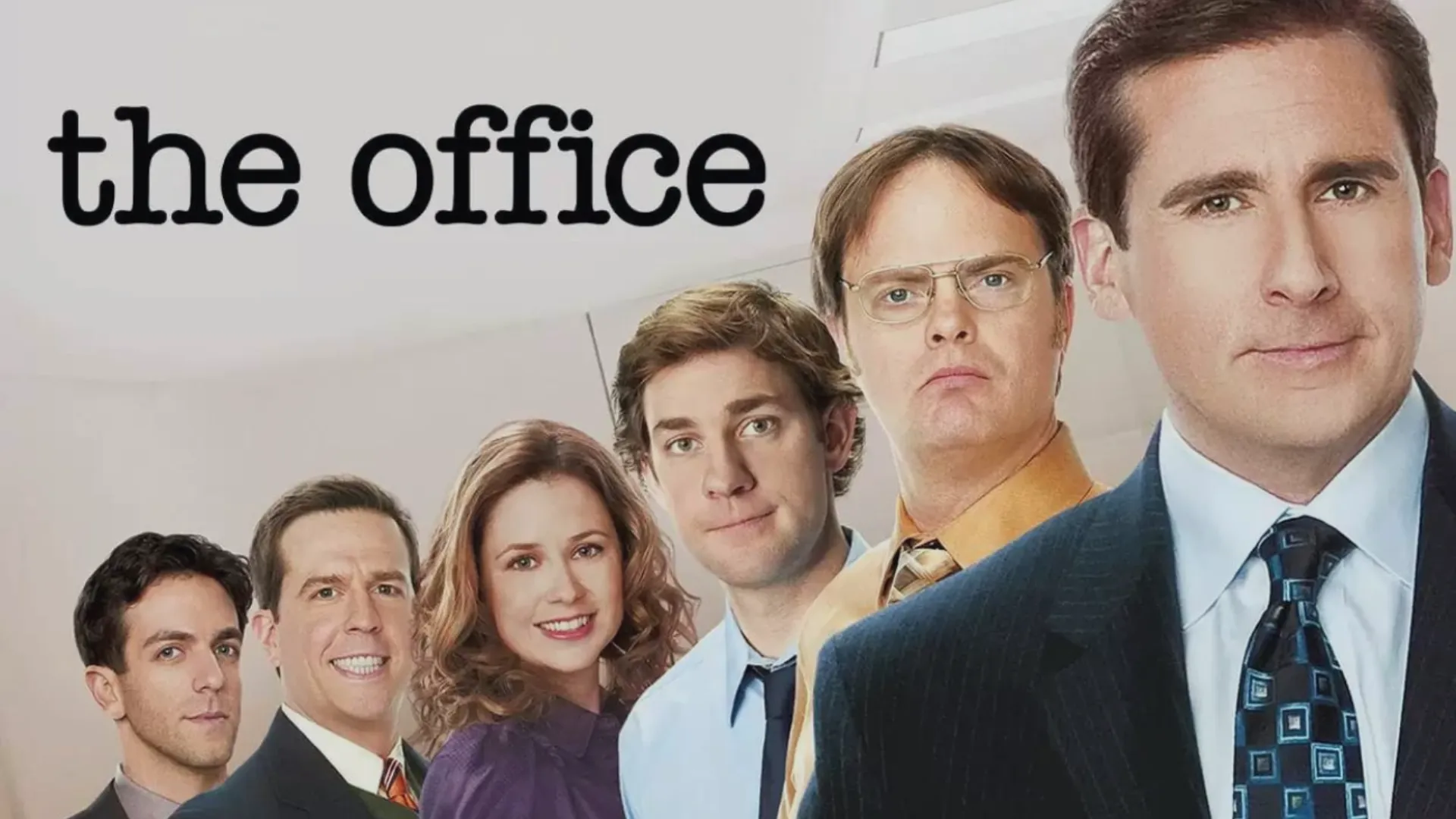
These examples highlight some of the reasons that lead to a merger or acquisition of one company by another. In The Office, the paper retailer and central company of the plot, Dunder Mifflin, declared bankruptcy in 2009 (season 6). Facing serious management problems and loss-making subsidiaries, the company's operations were partially acquired by printer manufacturer Sabre, which sought to expand its paper distribution and consolidate synergy with its core business. Thus, Sabre took advantage of the paper retailer's economic weakness to acquire profitable assets for its own operation (allowing the Scranton branch to fully maintain its operations).
In TV series, we can also see the effects that occur after a merger. In Mad Men, the New York-based advertising agency Sterling Cooper and Putnam, Powell, and Lowe, a British advertising agency, merged in 1962. The effects of the merger are seen in the third season, with layoffs and a strong cultural clash between the companies, especially due to the regional differences they faced.
Finally, we can also see cases where, after an acquisition, the acquiring company makes changes to the acquired company that affect its previously successful operations. In "Succession," in Season 1 of the original series, the Waystar Royco conglomerate acquires the digital media company Vaulter in an attempt to stay current with changes in the media industry. However, Waystar makes significant changes to the acquired company, reducing the startup's operating segments and laying off producers, impacting the acquired company's operations.
Apesar de ser muitas vezes complexo, as séries retratam os M&As de maneira lúdica
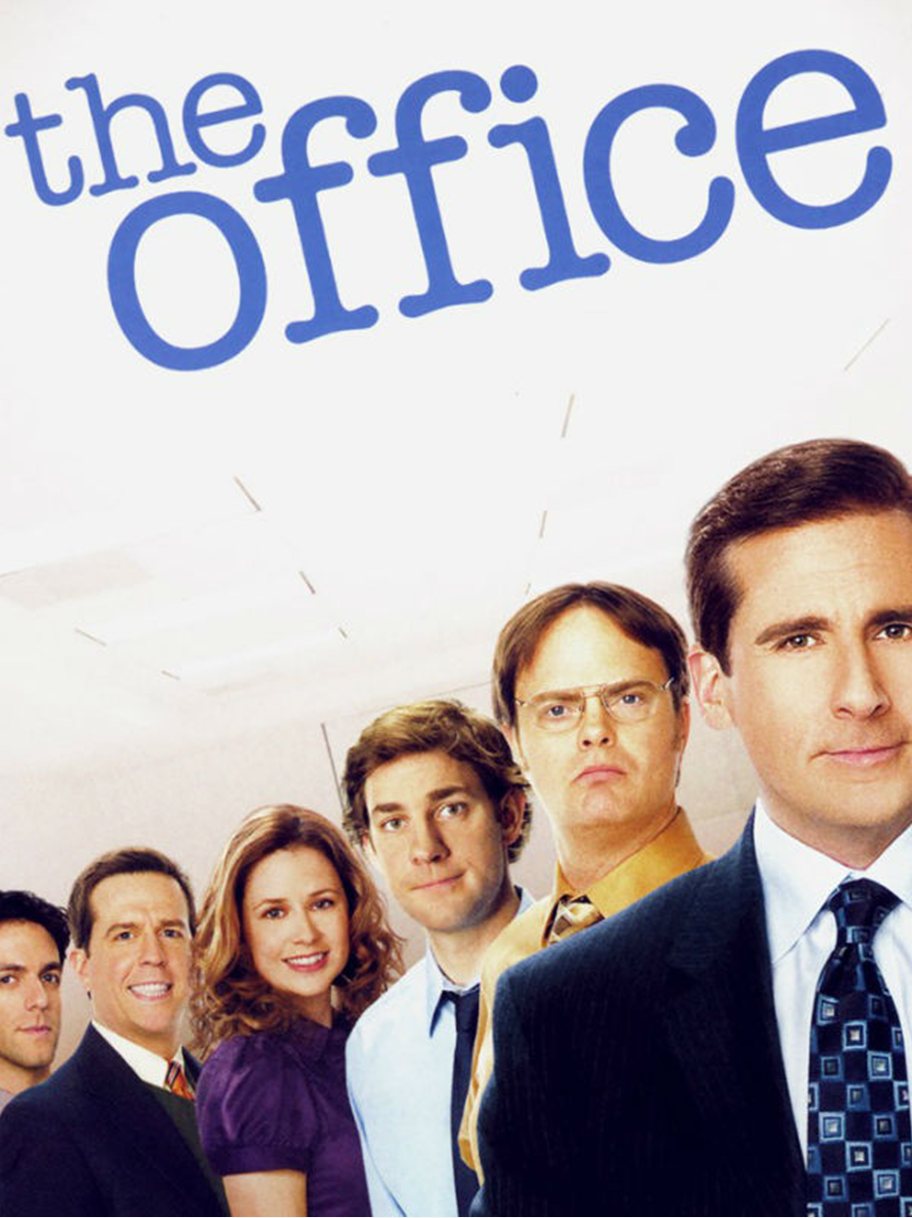
- A Sabre, fabricante de impressoras, adquire a filial de Scranton da Dunder Mifflin
- A empresa se aproveitou da fragilidade econômica da comercializadora de papel para adquirí-la
- A aquisição permite que a Sabre crie uma nova linha de negócios em sua operação

- A agência de publicidade Sterling Cooper se funde com a agência Putnam, Powell e Lowe (PPL)
- A fusão gera, inicialmente, uma série de demissões nas empresas
- Posteriormente, fica clara a diferença cultural entre os americanos e britânicos, ocorrendo conflitos internos na empresa recém formada

- O conglomerado de mídia Waystar Royco adquire a Vaulter, startup de media digital
- A aquisição é uma tentativa da Waystar de se manter relevante perante os novos modelos de mídia digital
- Após a aquisição, a Vaulter é desmantelada pela empresa compradora, reduzindo suas verticais de atuação e demitindo funcionários