
Wealth Management in Brazil
Download PDFIntroduction
Ártica has joined Insper in this research to explore an unprecedented theme in Brazil: the main practices adopted by professionals, from private companies and institutions that manage third-party resources, in decisions related to capital allocation among the various asset classes available and the selection of actively managed investment funds. We interviewed professionals responsible for managing over BRL 1.5 trillion in assets, of which an estimated BRL 250 billion are allocated in third-party managed funds.
The Brazilian investment industry has been growing rapidly, and its maturation process is crucial for ensuring that growth is sustainable in the long term and that it benefits its participants, especially the most important: the investor. Despite the clear development, the asset management industry still has plenty of room for professionalization: at least 40% of the asset management firms authorized by CVM and Anbima were founded 5 years ago or earlier, only 21% of the investment funds are more than 10 years old, and less than 2% exceed 20 years of existence.
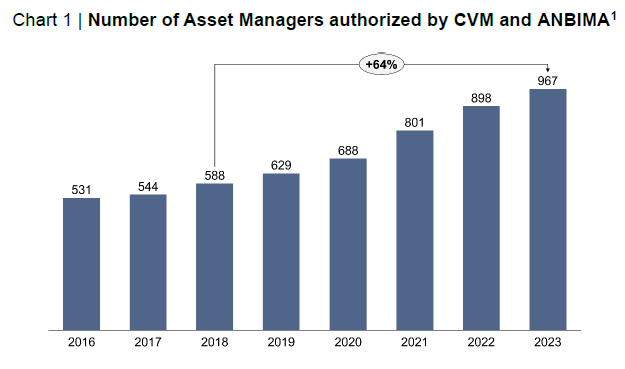
This study aims to present the current practices of professionals working in asset allocation and manager selection, as well as to discuss how professional investors can adapt to improve their processes and practices for a more efficient, transparent, and profitable industry.
1Source: CVM and Anbima data, Ártica analysis.
Executive Summary
Until the 2000s, investment management in Brazil was an activity dominated by the large Brazilian banks. In the following decade, this scenario was completely shaken by independent brokerage firms, which saw in the leniency of market leaders an opportunity to take market share. While banks offered a limited set of investment funds - mostly managed by the bank itself, with unimpressive returns and high fees, brokerage firms created open platforms, with more investment options, lower costs, and a whole apparatus of financial education to explain to unexperienced investors the nuts and bolts of investments products previously seen as exotic. This model was hugely successful and attracted crowds of investors.
This new configuration of the investment industry solved some problems but created others. The lack of options was replaced by a wide range of investment funds and products, but choosing among them can be, to the average investor, just as difficult to analyze as direct investments. Instead of having a commercial bank manager recommending their own fixed-income funds, now the average investor has a financial advisor. with commission-based compensation schemes, presenting various investment opportunities at every moment, including complex products like Structured Operations Certificates (COEs),which the advisor himself might not even fully understand but knows that selling it would yield nice commissions.
In this scenario, another commercial model has been gaining space in the market: wealth managers compensated on a fixed fee basis. Their capital under management has more than doubled from the end of 2020 (BRL 221 billion) to December 2023 (BRL 457 billion) and continues expanding quickly. Certainly, the demand increase for these services is related to investor awareness about the risks brought by conflicts of interest and the desire for more transparent and unbiased advisors. This is visible in the data we collected. 80% of the offices interviewed are compensated only by a fee charged as a percentage of the assets under management, and do not receive commissions. Furthermore, offices following this fee-based model are the most successful, managing 95% of the total AuM among the study participants ("Participant’s AuM").
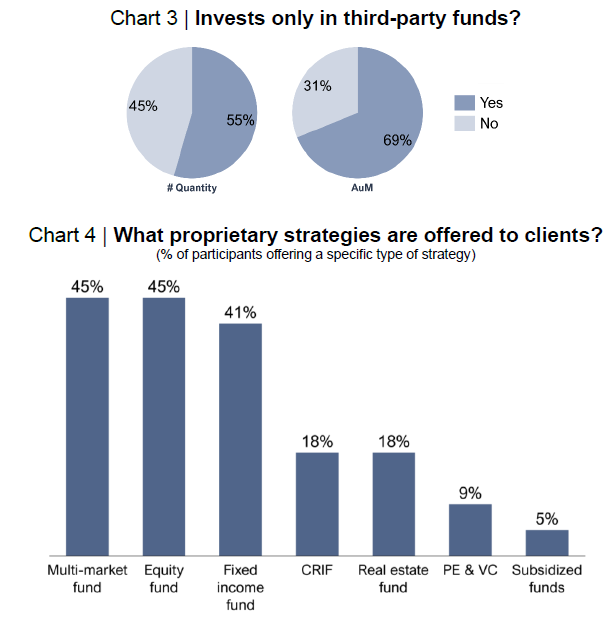
In the same direction, the industry seems to be evolving to eliminate another conflict of interest: offering funds managed by the same office that Is hired to select the best funds for its client’s base. This is still a common practice, with 45% of the respondents offering funds managed by themselves in some asset classes. However, the largest offices completely avoid this conflict and invest exclusively in third-party funds. This last group of wealth managers have a whopping 2.3 times more assets under management than the group of wealth managers that invest clients’ money in funds managed by themselves.
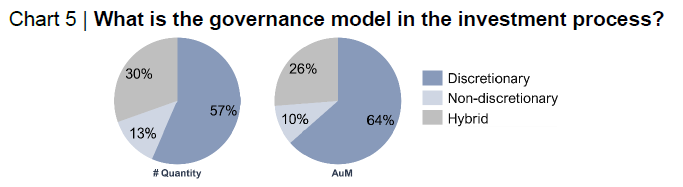
Maintaining a structure completely free of conflicts of interest facilitates the development of the level of trust required to managed third-party capital with autonomy to make investment decisions, a common goal for every manager who wants to make decisions based on their own analysis and technical knowledge. In theory, most managers achieve this autonomy, with 64% of Participants' AuM being managed under discretionary mandates. However, almost all report the difficulty of dealing with the emotional side of their clients in stressful market environments and the restrictions imposed by the risk of losing them if some investment decision takes longer to show results than the client is willing to wait, even if it proves correct in the long term. While this challenge will likely continue to exist, increased transparency, reduced conflicts of interest, and a strong foundation in technical expertise should make clients more inclined to give true autonomy to his advisors.
While a truly discretionary mandate is not achieved, wealth managers face the dilemma of having to generate returns above market averages (alpha) without implementing his ideal strategy, as every step may have to be justified as rational and prudent to their clients in a scenario with weak results in the short term. This inherent tension between the desire to achieve exceptional returns without deviating from what is usually considered as best practices is a core challenge in managing third-party capital. This tension becomes apparent in some inconsistencies between the speech and what is really done by wealth managers, as evidenced by two examples revealed in our study data.
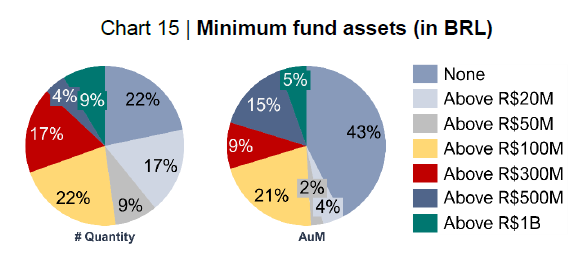
The first is that most of capital allocators are concerned with the maximum capital that an investment fund could invest under the same strategy and still be effective (capacity), as it’s well known that returns tend to decline after a certain level of assets under management, and report that the minimum size of an investment fund is not such a relevant selection criterion. 43% of them do not even have a minimum AuM value for a fund to be eligible to receive investments, and only 20% adopt as a criterion a minimum AuM higher than BRL 500 million. However, about 70% of the capital invested in independent fund managers are concentrated in the 10 largest hedge fund firms, and about 60% in the 10 largest equity fund managers firms2. One hypothesis to explain this is that smaller funds often do not meet the qualitative criteria required by allocators – formalized investment processes, managers with a long and successful professional history, etc. – which ends up restricting the allocation of capital to this group of smaller funds. Another hypothesis is that investing in larger and more renowned funds is an investment decision that is easier to justify as rational and prudent to a concerned client.
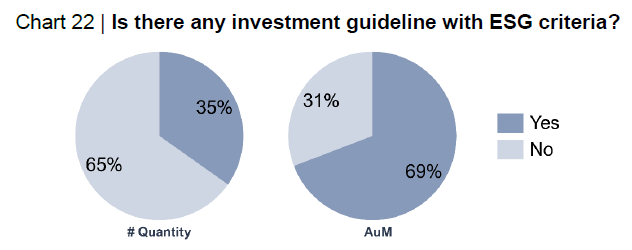
The second example lies in ESG practices, which have become global themes and have been incorporated by a vast number of companies and institutional investors. As a consequence of the theme’s wide reach, many wealth managers have created ESG policies to meet this new demand, especially among the largest offices. 35% of the respondents, responsible for 69% of the Participants’ AuM, have ESG investment guidelines. However, in a rank of 23 factors ordered by the degree of relevance in the investment analysis process, "compliance with ESG criteria" appeared in 21st place, among the least important ones. Our interpretation is that both the existence and the low relevance of ESG policies in daily operations are reactions to commercial demands. Some clients require an ESG policy but continue to demand the best possible returns, without going into details about the correlation between these two points. Since demands about any factor that is not directly related to potential returns and risks of investment opportunities can only make a high portfolio performance harder to achieve, the only way to meet these conflicting demands is precisely the adopted one: to create ESG policies, but not implement them rigorously.
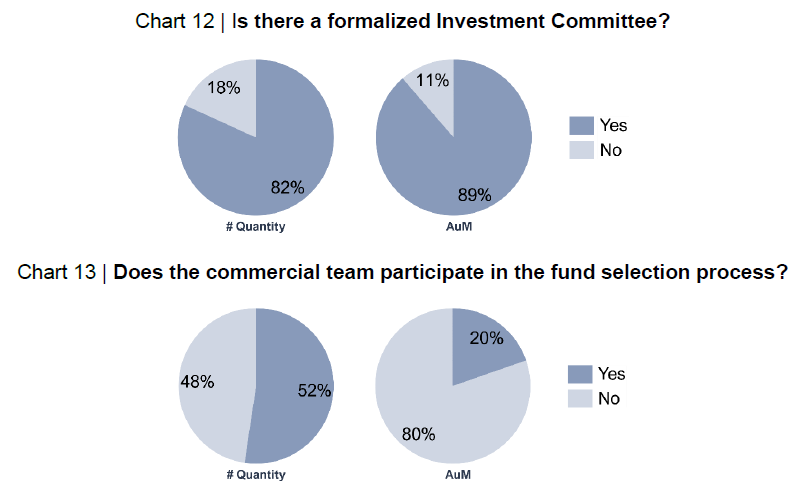
In the due diligence process aimed at selecting investment funds, where professional allocators indeed have greater autonomy, a large part of wealth managers already adopt formal processes and technically robust criteria. Decisions in 82% of the participating managers are made by an Investment Committee, and 73% of them have a formal Asset Allocation policy.
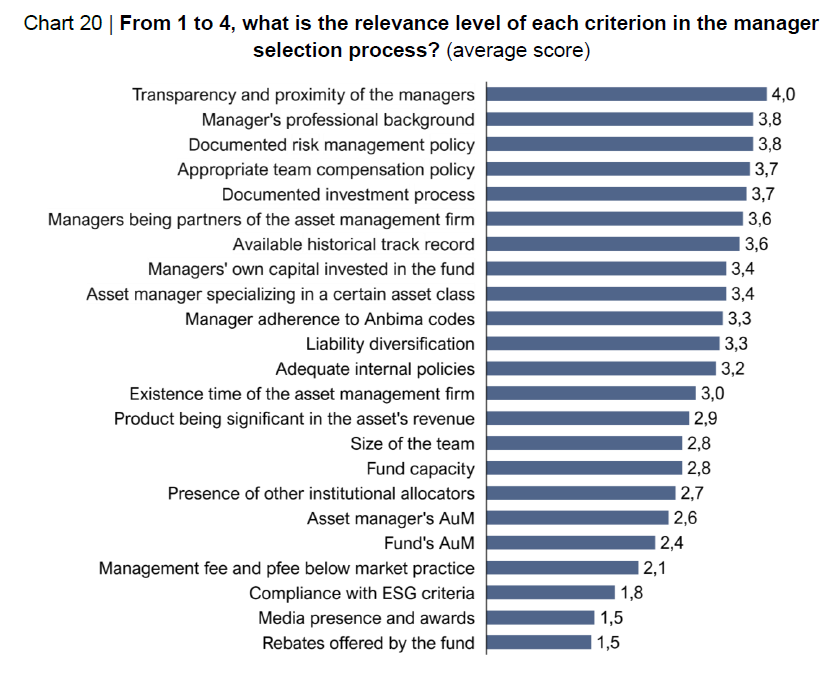
When it comes to the most important criteria to fund analysis and selection, this study echoes what is already common knowledge in the industry. The main desirable characteristics are transparent and accessible fund managers with a long history of professional success; formal internal processes for investment selection and risk controls; well-qualified management team under a compensation structure that aligns incentives.
Overall, the Brazilian wealth management sector is clearly maturing, in conjunction with the entire Brazilian financial market, which is still young compared to the financial ecosystems of developed countries. The pace of evolution will depend greatly on the demands imposed by the final clients themselves, the capital owners, who also need to go through their own maturation process, especially in reconciling what is desirable and what is possible in the wealth management activity.
2Source: Anbima data, Ártica analysis
Methodology & Analysis
The research was conducted using in-depth interviews with participants, going over 50 questions divided into three sections: (i) Industry Structure; (ii) Asset Allocation; (iii) Manager Selection. The first section focused on the profile of the allocators and characteristics of their businesses to understand the current state of the Brazilian industry. Subsequently, the Asset Allocation process was explored to understand each investor’s practices in choosing the portfolio composition by asset class, a step preceding manager selection. In the third section and the core of the study, it investigated the quantitative and qualitative processes used for analyzing, selecting, and monitoring funds within the investment portfolio allocation strategy.
For the results analysis, weightings were applied not only based on the number of responses, but also for capital under management allocated to third-party funds. This allows us to measure the extent to which industry resources are managed by these criteria, specifically the wealth potentially directed to investment funds managed by third parties.
The study confirmed some previously observed trends, identified opportunities, and generate discussions about the potential paths of evolution for the industry, from the perspective of both fund managers and the wealth managers. In this material, we focused on discussing only the main topics whose content can be valuable to the reader. For a better understanding, the complete data obtained in the study can be consulted in the Appendix.
Discussion & Insights
1. We are facing a clear trend towards the search for greater transparency and alignment of interests with clients
For a long period, the compensation model for wealth managers remained opaque to clients and was primarily based on commissions paid by the managers or issuers of distributed financial products. This is no longer the reality of the industry. A more transparent compensation model has become the standard in Brazil and has already been adopted in developed countries. Furthermore, these offices managing the vast majority of AuM exclusively charge a fixed fee and fully disclose any rebates negotiated with third-party funds to their clients. All the large offices interviewed, and most of the small and medium ones, follow this structure.
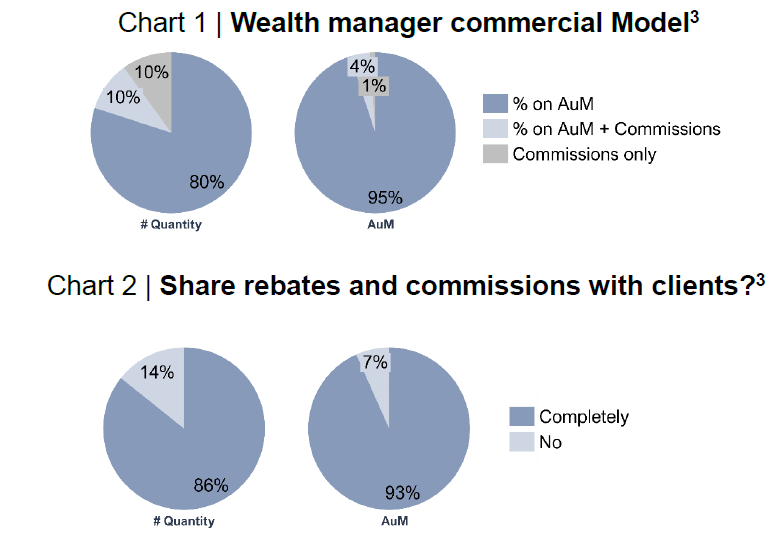
Although there is no regulatory prohibition on wealth managers receiving commissions from the financial products they select for their clients, this practice inherently creates a conflict of interest. How can wealth managers prioritize client interests and maintain selection independence if their compensation hinges on choosing one product over another? With investors becoming increasingly aware of this conflict and how it can negatively impact the management activity, offering transparency and avoiding conflicts is no longer considered a competitive differentiator but rather a compliance item.
3Participants whose business model does not apply were excluded from this analysis.
2. Despite the inherent conflict of interest in wealth managers offering their own funds, the practice is still common
Given that wealth managers define the asset allocation and select investments within each class for the portfolio, offering their own funds introduces two client-unfriendly biases. The first is the tendency to favor own funds in the selection process, since allocating client capital in their own funds increases the advisor’s revenue, and, no matter how structured the selection process is, there is always some subjectivity involved in the decision, and it is difficult to advocate that there will be complete exemption of conflicts in the presence of economic benefits in selecting their own funds; the second bias is that, unless the manager offers funds in all asset classes, the same mechanism already mentioned could cause the allocation in the asset class of their own funds to be higher than it would be in a completely unbiased process.
The largest wealth managers already avoid this problem by exclusively allocating resources in third-parties investment funds. While a significant part of the industry still offer their own funds, we believe this practice will become obsolete as the Brazilian wealth management sector matures.
3. Discretionary mandates are predominant, but real autonomy strongly depends on client trust
The value proposition offered by wealth managers is clear: to professionally manage their client’s capital with diligence and technical expertise. To achieve this goal, most wealth managers seek to operate under discretionary mandates, where there is no client participation in investment decisions, except for the definition of the objectives to be pursued and the level of risk tolerated.
As the very motivation for seeking a professional management office is based on the principle that the responsible team will be more skilled than the client in making investment decisions, it is common for clients to accept discretionary mandates, including our observation that 64% of the Participant’s AuM is under this management model.
However, clients often retain the right to withdraw their capital quickly. That means the true autonomy of professional managers hinges on consistently delivering satisfactory results to clients or securing their continued trust. This allows managers to pursue long-term investment theses, even if they might underperform in the shorter term, and evaluate them within a suitable timeframe.
Many interviewed professionals struggle to achieve this full vote of confidence. Consequently, a common industry concern is exceeding short-term market benchmarks, even though this is often viewed as a satisfactory result. This dynamic creates a challenge: it discourages contrarian investing, which could be beneficial, and increases the risk of following the herd mentality during periods of extreme market optimism or pessimism, both of which are natural parts of economic cycles.
In his book "Pioneering Portfolio Management," David Swensen mentions: "Contrarian behavior is at the heart of many successful investment strategies. Unfortunately for investors, human nature craves the positive reinforcement that comes from following the crowd." Pragmatically, the impossibility of acting against the prevailing market trend, for explicit reasons or not, can limit the return of an investment strategy.
The transformation of the Brazilian investment sector hinges on investor demand. Traditionally conservative, Brazilian investors are maturing, as they develop their ability to navigate sophisticated asset classes and refine their investment strategies.
4. The alignment of the investment strategy with each client's profile and the rebalancing process are carried out in quite diverse ways
In wealth management, defining a client's profile and tailoring an investment strategy, usually known as suitability, is mandatory. However, regulations for this process often lack depth, proving inadequate for managing large estates. Consequently, wealth managers develop their own supplementary processes to address these shortcomings, crafting unique approaches based on their individual philosophies.
Wealth management firms approach suitability in two main ways. Some adopt a fully customized process, meticulously mapping each client's characteristics and crafting bespoke investment strategies. Alternatively, a more common approach involves a centrally defined allocation policy. This policy establishes a limited number of standardized client profiles with corresponding investment guidelines. Clients are then placed in the profile that best aligns with their needs and follow the predefined allocation strategy for their category.
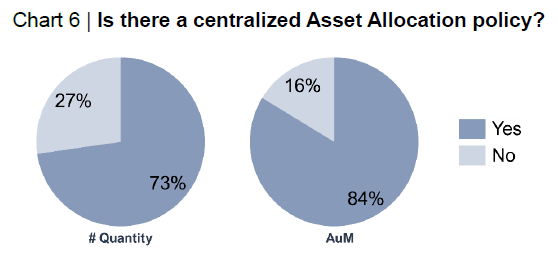
Despite a similar underlying logic, significant variability exists in the details across wealth managers. Definitions of standard profiles, investment strategies for each profile, and client categorization methods all differ considerably.
The process diversity is understandable, as some of the factors involved in defining an investor's profile are subjective. Risk tolerance, for example, depends not only on financial capacity but also on the client's emotional reaction to large fluctuations in the market value of his portfolio. In the last market downturn, which was more severe and prolonged than anticipated, several allocators reported "behavioral deviations" well illustrated by the comment of one of the interviewees, transcribed below:
"In this last market cycle, we observed that the risk tolerance of many investors was lower than we had imagined."
The interviewees also reported quite distinct ways of developing allocation strategies among asset classes. Some consider only a few asset classes and define the portfolio allocation percentages for each through a committee, while others employ sophisticated mathematical optimization models, with a high level of granularity for subclasses and quantitative rebalancing logics. Some carry out few allocation revisions over time, while others may perform tactical rebalancing on a weekly basis.
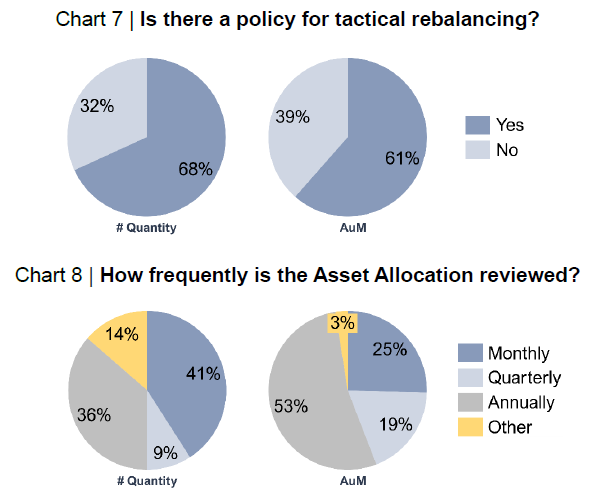
There are valid arguments for each management style. For instance, annually setting asset allocations and then frequently rebalancing the portfolio to maintain those percentages achieves a passive approach. This involves buying declining asset classes and selling rising ones, effectively removing emotional decision-making, which can be susceptible to following market trends.
On the other hand, those who adopt active management strategies argue that it doesn’t make sense to give up on new information that emerges throughout the year and the analytical capability of experienced allocators. Thus, they allow themselves to revise the allocation guidelines whenever the decision-makers deem it appropriate.
Since investment management is a service that depends not only on the processes adopted but also on the competence of the professionals responsible for executing them, there is no operation model categorically superior to others. At the end of the day, what will define the effectiveness of each manager will always be the level of return achieved over the investment horizon aligned with the client.
5. The trend of increasing offshore allocation and the capability of managing international portfolios remains a differentiator
Investing abroad was something restricted to a few families and institutions. Some solutions have emerged in recent years, facilitating this process. The political instability in Brazil and the substantial devaluation of the Real (BRL) have also contributed to a growing interest from investors in internationalizing their capital.
Foreign investments are often necessary for clients with assets or liabilities abroad, or to reduce their exposure to "Brazil risk." There's a trend where wealth managers with larger portfolios allocate a greater percentage of their investments abroad. The following factors are highlighted:
- Larger allocators, due to greater availability of resources, tend to have a dedicated structure for researching and analyzing foreign managers;
- Clients with larger portfolios tend to have both a greater need and the capacity to internationalize their capital;
- High minimum investments in foreign funds, particularly after considering the exchange rate, disadvantage smaller allocators accustomed to Brazilian investment levels.
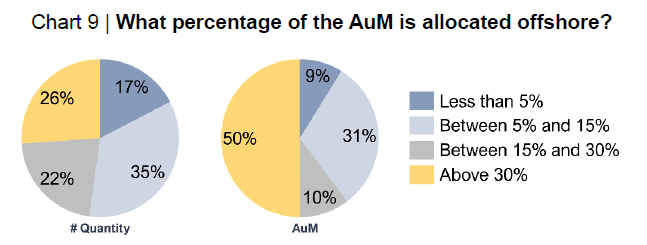
With these limitations, the ability to manage international investments is a major advantage in attracting larger clients. In fact, some industry participants expressed concern that Brazilian funds may become less prominent in investor portfolios as access to global funds becomes easier. This is due to the limited range of investment options, inconsistent management quality, frequent fund closures, and lack of unique features and ability to handle large investments compared to global counterparts.
Institutional investors and consultants tend to have a much lower exposure to foreign assets compared to Family Offices. One reason cited for this is the difficulty in changing investment policies, despite their interest in increasing their offshore allocation. A possible trend for the coming years is for institutional investors to modernize their investment policies to allow for greater exposure to the global market.
6. Allocation in alternative asset classes remains timid in Brazil
A recent study published by Fidelity4 found that the alternative investment class, encompassing assets like private equity, venture capital, and real estate, attracted 23% of institutional investor resources in 2022. In Brazil, however, this study highlights that allocation to this asset class remains significantly lower.
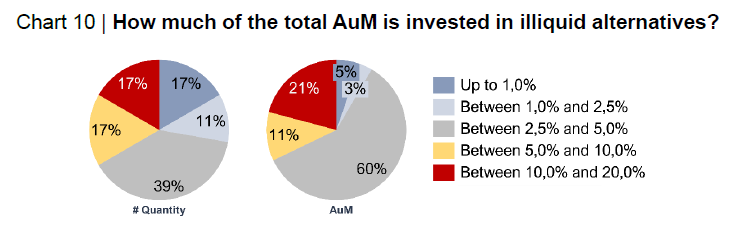
The lower allocation does not appear to be related to restrictions by Brazilian allocators on this asset class. Instead, it likely stems from Brazil's history of very high base interest rates, which discouraged investors from shifting capital to higher-risk assets.
The respondents report that most of their clients are resistant to the idea of investing in funds that require keeping capital invested with no liquidity for up to 10 years. While Brazil does have some experienced alternative investment managers, the market itself remains immature. Compared to more developed markets, Brazilian alternatives lack a long track record of returns. These factors combined lead allocators to dedicate fewer resources to analyzing alternative investment opportunities.
This dynamic discourages the growth of the asset class in Brazil. Investment fund managers find it unattractive to dedicate themselves to strategies that capture only a small portion of the available capital in the market.
However, when asked about gaps in the Brazilian market, allocators most frequently mentioned a lack of products in these categories, including private equity, venture capital, hedge funds with neutral beta or quantitative strategies, high-yield products, and private and secondary markets. In short, these responses point to a gap in alternative investments. Perhaps in a future period with lower interest rates, the attractiveness and interest in this asset class may increase.
4Source: Fidelity Institutional Insights: A Study of Allocations to Alternative Investments by Institutions and Financial Advisors.
7. The processes for selecting third-party funds adopted by the industry are usually formally structured and quite meticulous
Selection of investment funds among Brazilian wealth managers is already quite professionalized. In most cases, candidates undergo rigorous due diligence and detailed analyses, which can take several months before a capital contribution is made.
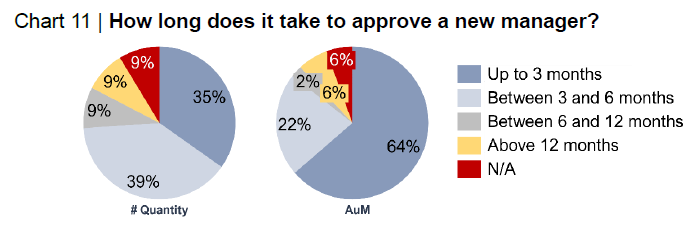
The decision is usually made formally by an investment committee. To ensure the utmost objectivity and decisions based on technical merit, the largest wealth managers often strictly separate investment decisions from the commercial team.
8. The issue of capacity is a common theme, yet, at the same time, allocation is highly concentrated in the TOP 10 funds
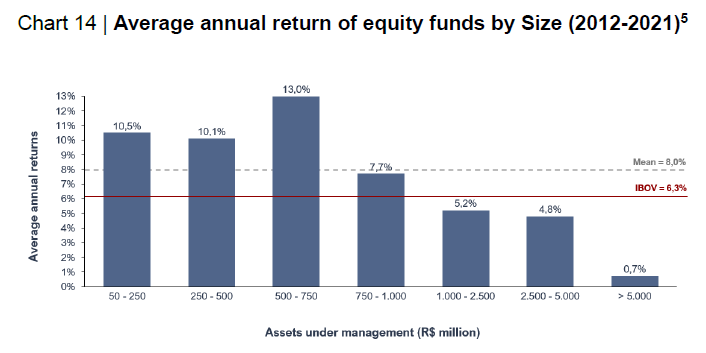
Fund size is a crucial factor during analysis. Smaller funds raise concerns about concentration, particularly regarding the allocator's ability to fully invest their desired amount without being too representative holding the fund shares. Conversely, larger funds tend to deliver lower returns. This is because they require higher liquidity, limiting them to a smaller pool of assets that are often already widely held by the market. The negative correlation between fund size and return is a well-established fact in the financial market, and it holds true for the Brazilian market as well.
Aware of this trade-off, professional allocators constantly seek new funds and managers with the potential to deliver superior risk-adjusted returns. When asked about minimum investment size, a significant portion of the participants indicated they have no AuM requirement. They expressed a willingness to make seed investments, which are initial investments in newly launched funds, but only if managed by reputable professionals with a history of success.
However, even with this backdrop, there's a large concentration of investments in the largest managers in Brazil:
- Of the total resources invested in independent hedge managers, 68% are concentrated in the top 10 managers.
- Of the total resources invested in independent equity managers, 61% are concentrated in the top 10 managers6.
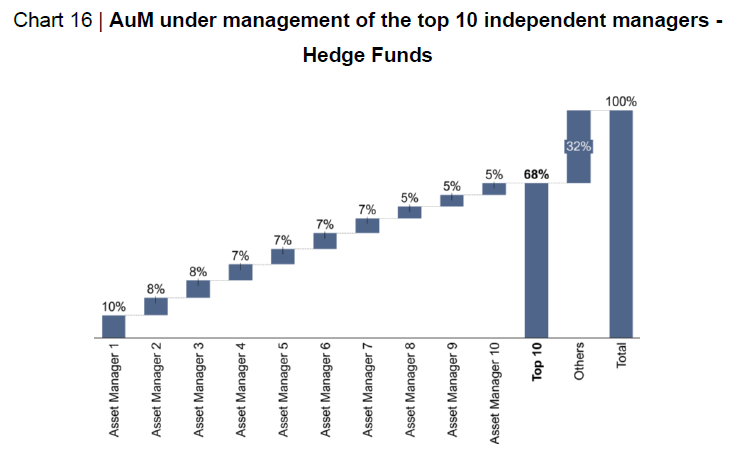
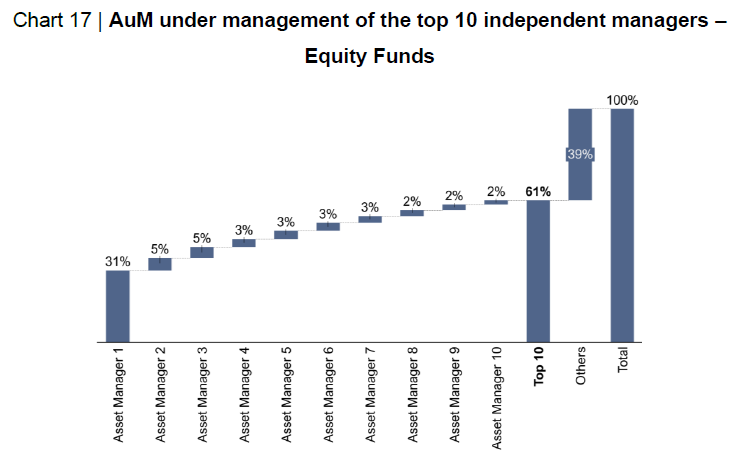
Two main hypotheses could explain this inconsistency between the consensus that large funds tend to deliver lower returns than smaller funds and the continued preference for allocating to large funds.
The high level of demand from professional allocators creates a bottleneck in the selection process, excluding most small funds from consideration. This, combined with limitations on how much each small fund can receive (due to capacity constraints or allocator risk threshold), results in a low overall allocation to this category despite the potential for higher returns.
Alternatively, clients may be hesitant to allocate to unfamiliar funds, leading allocators to also prioritize a conservative approach and avoid potentially facing client scrutiny if a less established fund underperforms. While this risk doesn't directly impact the portfolio, it can threaten the wealth manager's relationship with the client, risking the client relationship if the allocation to a smaller manager is perceived as imprudent. This cognitive bias, significantly impacting fund managers as well, is widely known and aligns with John Maynard Keynes' famous quote: "Worldly wisdom teaches that it is better for reputation to fail conventionally than to succeed unconventionally."
Both hypotheses likely contribute simultaneously to the current concentration in larger, well-established domestic managers.
5Source: CVM and Arctica analysis. Arctica Letter: “The David and Goliath” of the financial market.ial market.
6Source: ANBIMA data, Ártica Analysis.
9. Quantitative analysis focuses on risk and return indicators, while correlation between assets seems to take a back seat
Most participants tend to divide the fund analysis and selection process into qualitative and quantitative. While the first involves due diligence of the investment process, risk management, and the people who make up the team and partnership, the second focuses on data and statistical analysis based on historical returns.
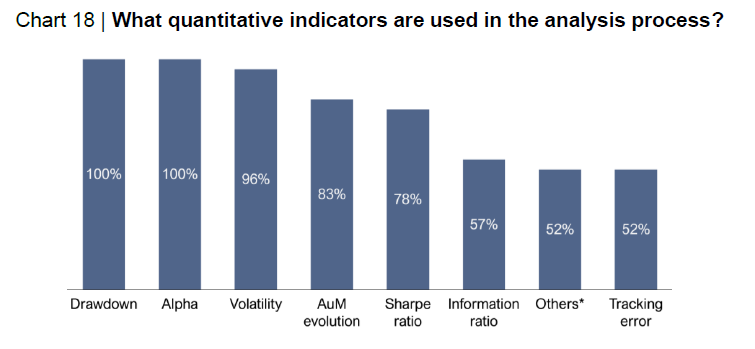
A key finding is that most quantitative analysis focuses on understanding the risk and return profile of the assets. Quartile analysis is a popular technique mentioned by many analysts for comparing these indicators among similar funds. However, correlation analysis of returns among funds, a crucial factor for portfolio diversification, was rarely mentioned.
For example, when comparing the return history of the top 10 largest independent equity funds in Brazil and the Ibovespa, an extremely high correlation is observed both among the funds themselves and between them and the index. This high correlation suggests that the actual risk reduction of a portfolio with investments spread across these funds might be lower than what one might expect intuitively.
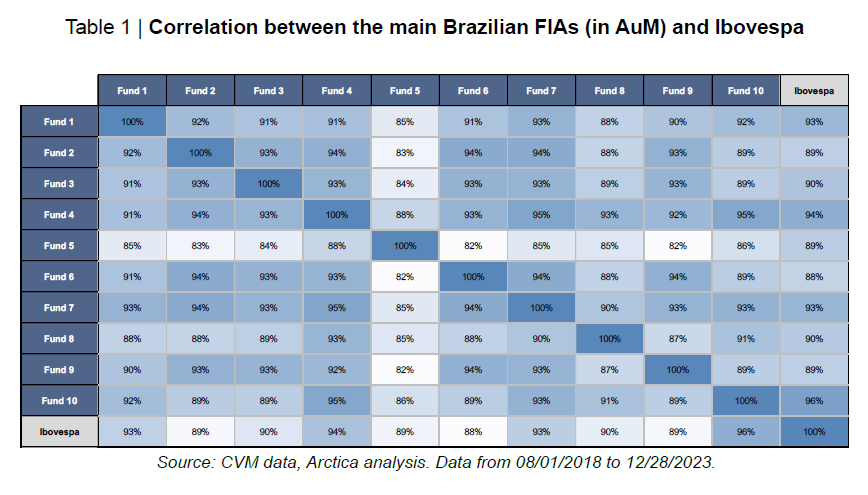
The high correlation among the top 10 funds stems from their similar portfolios. A common bias in the industry favors following the consensus to avoid unconventional choices. This leads managers within an asset class to gravitate towards similar investment products. Consequently, the risk contribution of these competing funds becomes similar, diminishing the potential benefits of diversification.
Another relevant issue is that spreading resources across various funds can lead to an increase in performance fees paid by the client. Because performance fees are typically charged on each fund exceeding its benchmark, even if the overall portfolio underperforms, this can significantly reduce the client's net return, especially when the outcome already falls short of expectations.
10. In qualitative analyses, allocators seek longevity, formal management processes, and transparency
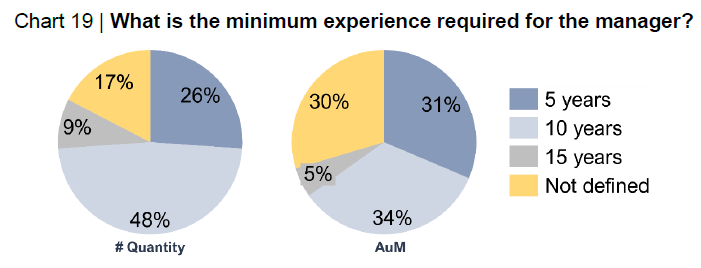
The qualitative stage of the selection process focuses on ensuring past returns were achieved through sound investment practices and assessing the likelihood of similar performance going forward. This focus on sustainability of returns naturally leads to high demand for qualified managers. A significant portion of allocators only consider managers with at least 10 years of experience during the initial due diligence screening.
During this analysis stage, the most essential criteria focus on the manager's internal processes (maturity and formalization), the competence and aligned interests of the management team, and the historical performance delivered under their current operating model.
The high importance placed on transparency highlights the essential role of trust in managing third-party resources. No set of criteria can eliminate all investor concerns without good faith and diligence from the manager. Furthermore, complex, high-risk strategies demanding long-term conviction require strong manager-allocator alignment, achievable only through continuous, transparent communication.
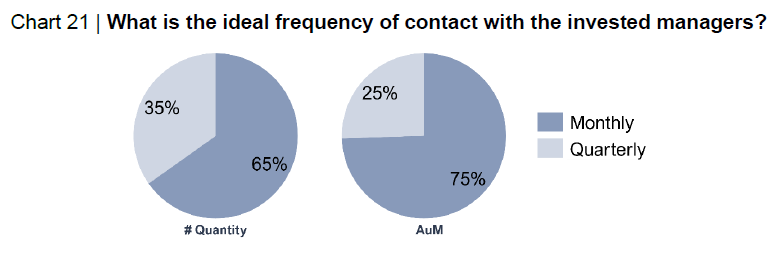
Following the stringent initial due diligence process, the performance of the funds and the qualitative factors of the management are constantly monitored. This monitoring ensures adherence to the investment mandate and identifies any new concerns. It also verifies that existing processes continue to function effectively or improve. For this reason, most allocators maintain frequent communication with the invested managers.
11. ESG investments are more present in discourse than in practice
Allocators with larger AUM are more likely to incorporate ESG criteria into their investment process. However, this awareness has not yet translated into significant investments. The amount of assets invested according to ESG criteria remains low, estimated at only 0.1% to 0.3% of total AuM based on the interviewees' responses.
When asked about the biggest hurdles to allocating more to ESG assets, respondents mentioned:
- Lack of a clear definition of ESG;
- Limited client demand;
- Shortage of ESG products with proven track records;
- Uncertainty about ESG's outperformance potential.
Given that the primary goal of most mandates is to generate returns for investors, it's unlikely they would choose to sacrifice results due to investment restrictions, including those related to ESG factors. However, increased allocation to ESG assets would likely require evidence that such strategies can deliver superior, or at least equivalent, risk-adjusted returns compared to traditional approaches.
Since, generally, the value of assets in the long term converges to the present value of their future cash flows, environmental, social, and governance (ESG) risks can affect valuations. Companies that fail to adapt to these factors may see their performance suffer. For this reason, integrating ESG criteria into the investment process can be beneficial. This focus on ESG goes beyond generating value for stakeholders through positive social and environmental impacts. It can also improve a portfolio's risk-return profile – if done correctly, which is where the challenge lies.
The difficulty is not related solely to sustainability but to a very simple market dynamic: if there were an easily identifiable criterion that guaranteed better results without implying higher risk, any existing return premium would be immediately extinguished as soon as the criterion became widely known, since market participants would create excess demand until the price reached a balance of potential risk and return comparable to other market opportunities. This principle applies to "ESG assets" as much as to any other type of "seal" promising better outcomes.
Therefore, the focus should be on a rigorous asset analysis process that demonstrates real substance and expertise from managers. This avoids superficial assessments based on third-party screenings and opinions, which can be biased by misleading marketing focused on sustainability (greenwashing) and may not accurately reflect reality. For instance, companies that invest heavily in ESG campaigns may sometimes be those with the most negative impacts in the very areas they aim to improve.
Despite the topic being widely known and implemented globally, several of the problems identified by the survey participants also apply to the international scene. The lack of consensus and clarity on what ESG is reflected in the great divergence in ESG ratings from the leading rating agencies: the correlation between the evaluations varies between 0.38 and 0.717. Most ETFs and funds promoted as ESG select assets based on internal ratings or such agencies. Many of the financial product theses aimed at financing the green transition is recent and thus do not have a sufficient return history. Several clients also have not become aware or believe that businesses aimed at solving environmental and social problems can be investment alternatives in a transitioning world. In Brazil, rules related to ESG in self-regulation have only recently been implemented, requiring funds and managers to declare how they integrate environmental, social, and governance criteria into their investment processes. These reasons explain the low allocation.
While maximizing the return-risk ratio remains a key objective, incorporating ESG criteria into investment selection doesn't necessarily mean sacrificing performance. ESG factors can potentially lead to sustainable long-term returns with lower risk. However, the challenge lies in identifying and measuring these potential benefits to justify any restrictions imposed on the investable universe.
7Berg, Kolbel, and Rigobon. 2022. Aggregate Confusion: The Divergence of ESG Ratings. Review of Finance.
Conclusion
The Brazilian wealth management sector is experiencing rapid growth and a clear maturation trend, seeking greater professionalization, transparency, and alignment of interests between managers and clients. The largest offices already adopt best practices prevalent in developed economies, and the rest of the industry will likely adapt to these standards, either through their own conviction or pressure from clients who become aware of existing problems and recognize the value of good practices.
There is a reduction in the home bias effect of Brazilian investors, showing a greater interest in globally diversifying their assets. Such demand is expected to increase in the coming years, especially as institutional investors undergo the same process. Allocation to illiquid assets or those adhering to ESG criteria remains tepid, lagging far behind international standards and presenting significant room for growth. Allocators, in general, advocate increasing exposure to these assets, with client interest being one of the missing links for this to materialize.
On the investment fund side, there's ample space for the industry to develop. However, a large portion of the invested capital is still concentrated in the top 10 managers, despite the presence of many active funds in Brazil. Interviewed allocators attribute this concentration to a lack of professionalism observed in many smaller managers during due diligence processes. Additionally, they expressed a desire for more high-quality options, both in traditional asset classes and new investment strategies.
Much of where Brazil's investment industry goes from here depends on investors themselves traditionally concentrated in conservative asset classes, and now going through their own maturing process: learning to handle more sophisticated assets and sharpening their strategies along the way.
The transformation of the Brazilian investment sector hinges on investor demand. Traditionally conservative, Brazilian investors are maturing, as they develop their ability to navigate sophisticated asset classes and refine their investment strategies.